
Creating a Scalable Mobile Platform Across 15 UHS Health Systems
Building a unified, multi-tenant mobile platform that supports 15 branded health system apps, accelerates regional launches, and simplifies access to care.
100%
Platform migration to modern .NET MAUI architecture for future-proof scalability
15
Branded health system mobile applications powered by a single core platform


THE CHALLENGE
Scaling Mobile Experiences Across a Multi-Brand Network
Universal Health Services (UHS) is one of the nation’s largest healthcare providers. With hospitals and facilities operating under multiple regional brands, the organization needed a way to deliver consistent mobile experiences across its network.
The engagement began with Manatee Healthcare in Florida. However, UHS needed more than a single mobile app—the organization wanted a scalable platform that could support additional health systems without recreating the experience each time. Each regional health system needed to maintain its local brand identity, while patients expected a consistent, frictionless user experience.
The challenge was to create a shared mobile foundation that could scale efficiently across brands while continuing to evolve alongside changing patient expectations.
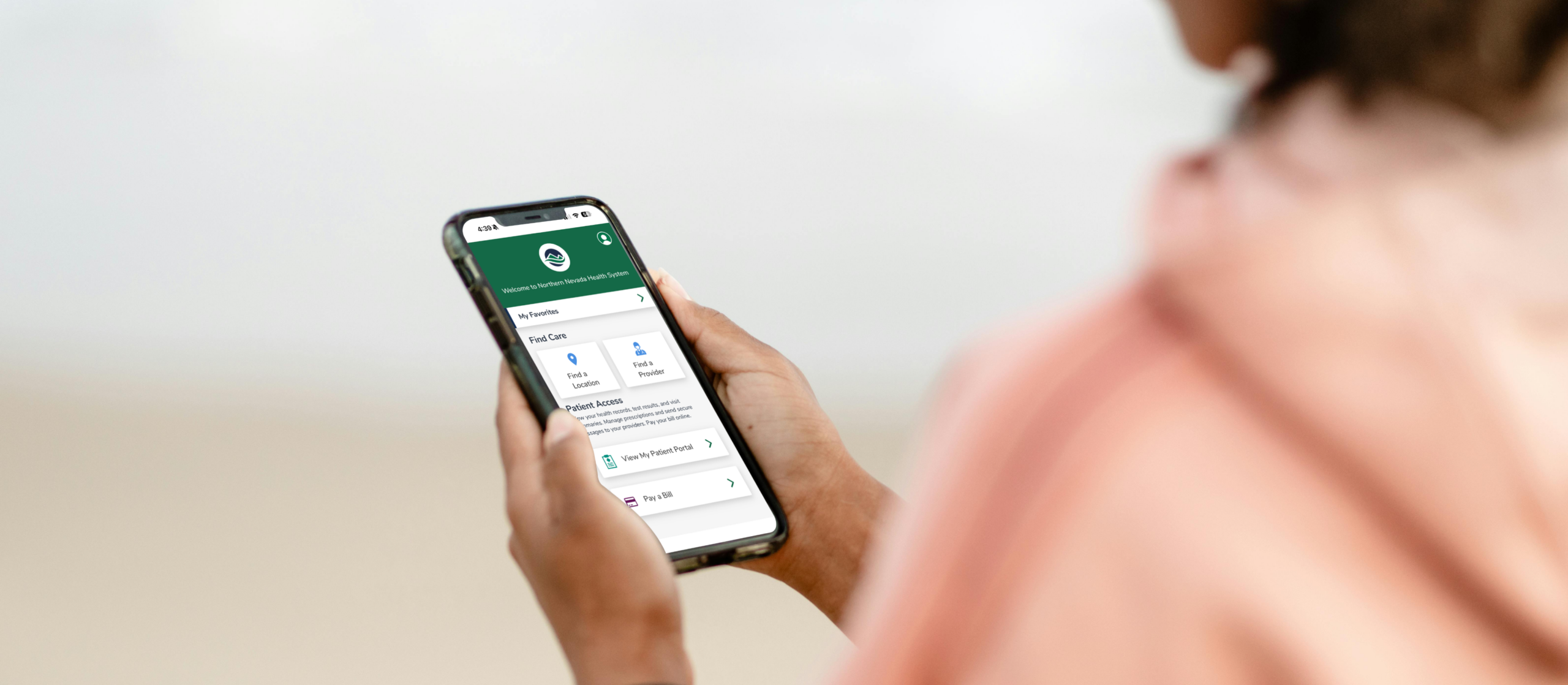
Scalable mobile platform supporting 15 distinct, branded health system apps across the UHS national network.
OUR APPROACH
A Shared Core Architecture Supporting Multi-Tenant Personalization
Modea combined cross-industry UX research, modular design frameworks, and modern cross-platform engineering to build an adaptable enterprise mobile ecosystem.
Creating a Shared Mobile Foundation
Modea began by conducting UX research into patient expectations and digital best practices across healthcare, banking, and retail. The insights established simplicity and speed as core guiding principles for Modea’s broader digital product strategy. Rather than building isolated apps, Modea engineered a shared multi-tenant foundation capable of serving unique visual brand layers on top of a centralized, reusable codebase.
Balancing Consistency and Local Identity
The initial app framework was designed for rapid white-label adaptability. Regional UHS health systems can incorporate local branding, service lines, and communications while leveraging shared navigation models and core features. As new systems join the platform, teams focus on content and brand configuration rather than rebuilding core functionality.
Improving Access to Care & Evolving the Tech Stack
Modea continually updated the platform, recently redesigning the Find a Provider and Find a Location workflows to feature cleaner UI, intuitive filtering, and streamlined appointment access. To support long-term growth, Modea executed a full technical migration from Xamarin to .NET MAUI. Modea’s quality testing team also performed extensive audits to ensure full WCAG accessibility compliance across both iOS and Android builds.
- Shared Multi-Tenant Codebase: Engineered a single mobile platform capable of powering 15 distinct brand instances.
- Xamarin to .NET MAUI Migration: Modernized the core mobile framework to ensure long-term stability and high performance.
- Redesigned Care Navigation: Re-architected provider search, location finders, and billing workflows for mobile speed.
- WCAG Compliance Validation: Executed rigorous accessibility testing to deliver inclusive, barrier-free care access for all patients.
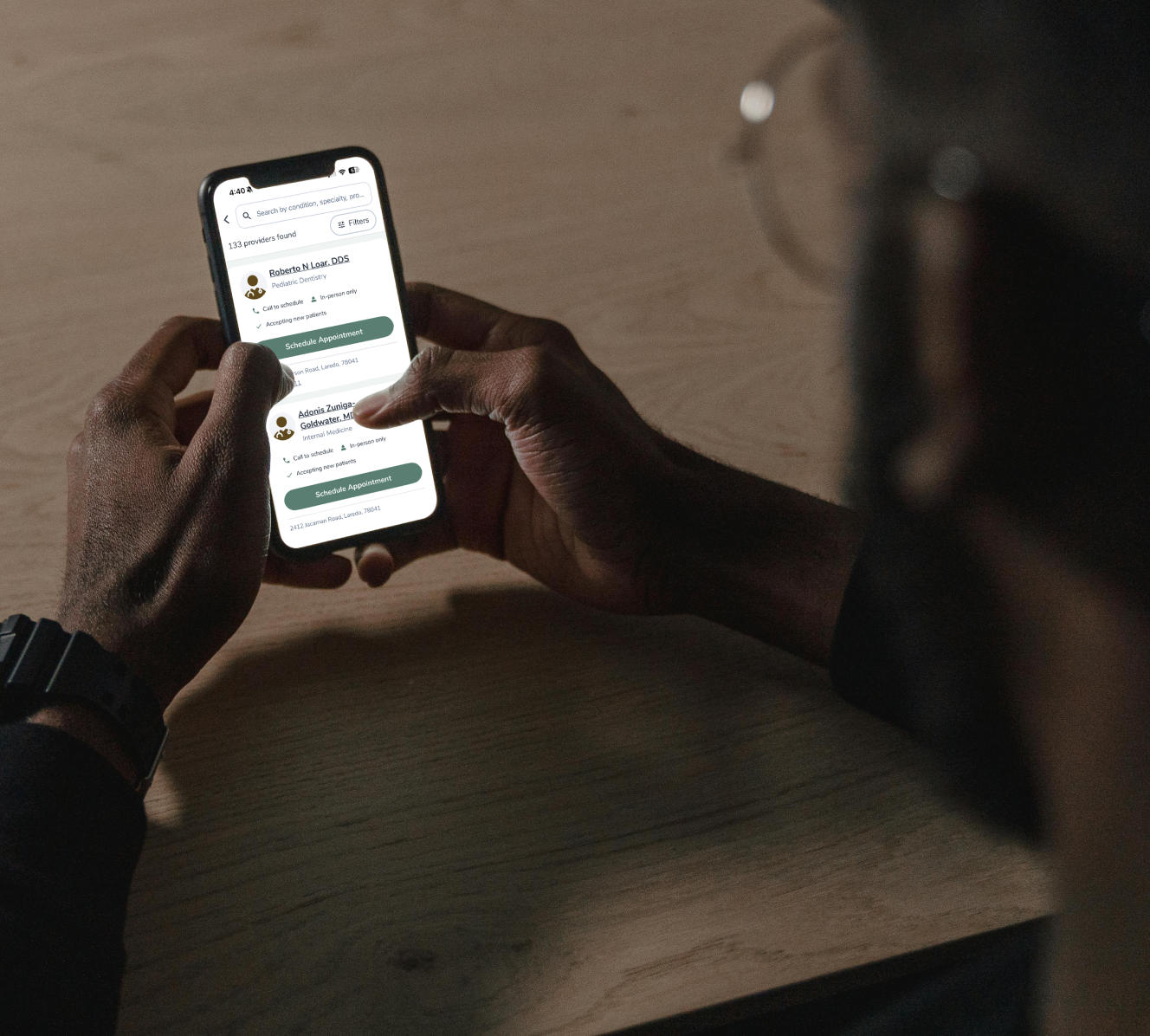
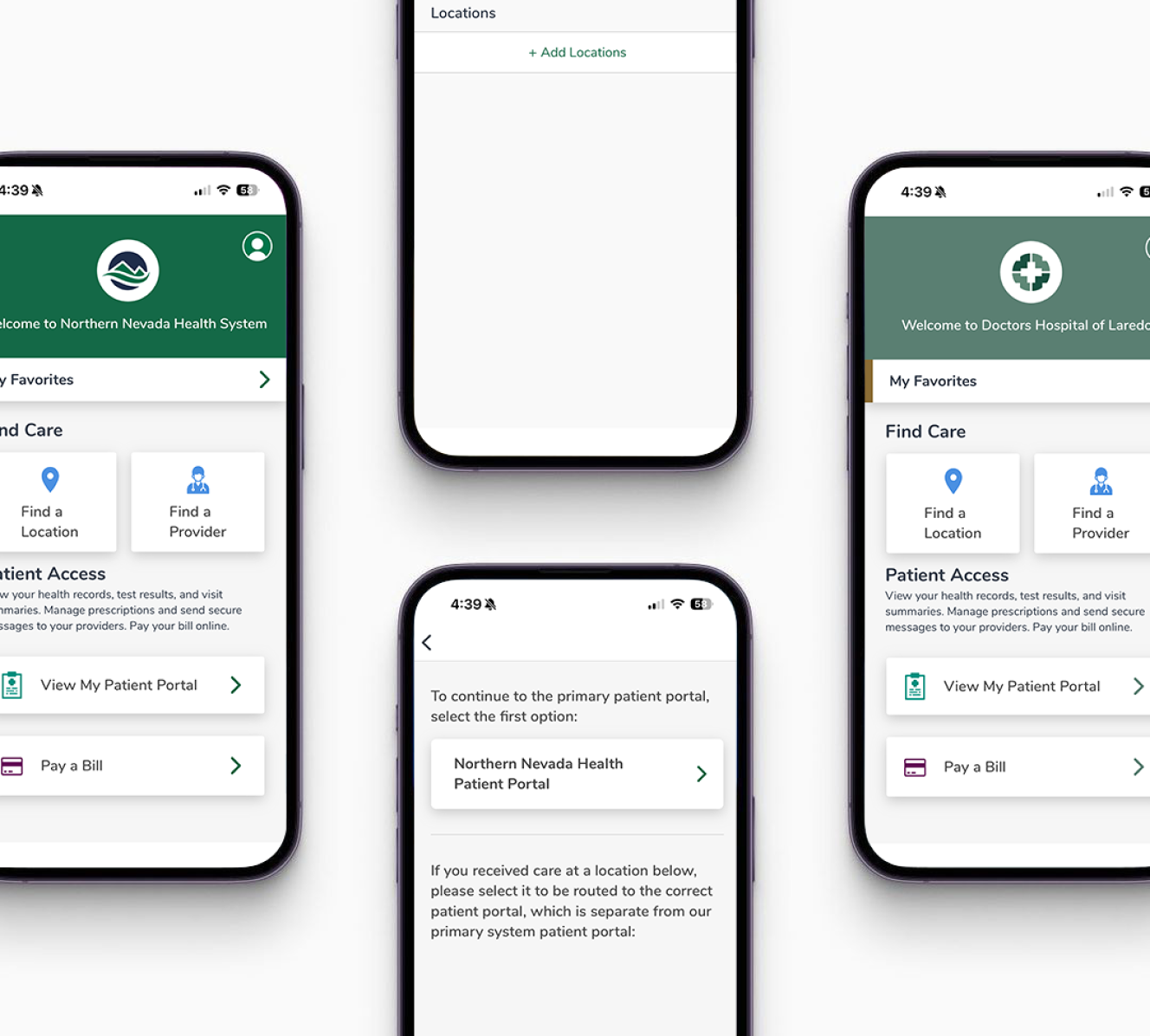
A patient-centered mobile app experience focused on reducing friction across location search, specialty filtering, and direct care access.
"When you're supporting multiple brands, consistency and flexibility need to work hand in hand. This platform gives UHS a way to deliver both while continuing to evolve alongside patient and organizational needs."
— Software Engineer III, Modea
THE RESULTS
Measurable Impact on Network Efficiency and Patient Experience
The platform transformed UHS’s mobile strategy, eliminating duplicated development costs and delivering cohesive care management to patients nationwide. With a shared foundation in place, UHS can efficiently scale and evolve its mobile presence while giving each regional health system the flexibility to maintain its own brand and local experience.

Scaled Across 15 Health Systems
Successfully deployed and currently supports 15 branded health system applications across the national UHS network.

Rapid Deployment Infrastructure
Established a repeatable rollout framework that enables new regional hospitals to launch custom apps without rebuilding underlying code.

Modernized .NET MAUI Architecture
Completed a full framework migration to .NET MAUI, ensuring high system stability, fast rendering, and future-proof growth.

WCAG Accessibility Certified
Achieved strict WCAG accessibility standards across all device types and operating systems via dedicated quality testing.
TECHNOLOGY STACK
Engineered on a High-Performance Technical Architecture


FAQs
What is a multi-tenant mobile platform?
A multi-tenant mobile platform uses a shared technical foundation to support multiple branded applications. For UHS, the architecture allows individual health systems to maintain their own branding, content, and patient-facing experience while sharing core functionality and infrastructure.
How do you maintain individual health system brands within a shared platform?
A modular architecture separates shared functionality from brand-specific elements. This allows each UHS health system to customize visual identity, content, services, and communications without requiring a separate codebase or rebuilding core mobile functionality.
How do you make a healthcare mobile platform easier to scale?
Scalability starts with the underlying architecture. By establishing reusable components, shared functionality, and a repeatable deployment framework, new health systems can be added without starting development from scratch. This allows the platform to grow while keeping maintenance and future enhancements more manageable.
How does migrating to .NET MAUI support long-term mobile app development?
Migrating from Xamarin to .NET MAUI provides a modern cross-platform foundation for continued development across iOS and Android. For an enterprise healthcare organization, maintaining a current framework helps reduce technical constraints and creates a stronger foundation for future features and platform updates.
How can healthcare organizations improve mobile access to care?
Mobile experiences should make high-value patient tasks easy to complete. Streamlined provider and location search, intuitive navigation, appointment access, billing resources, and other essential tools can reduce friction and help patients get to the information or care they need more efficiently.